Understanding the Difference Between Flushable Wipes and Regular Wet Wipes
Flushable wipes are increasingly used in personal hygiene routines, yet many people still confuse them with standard wet wipes. Although they may look similar, their internal structure and disposal behavior are fundamentally different.
Material Structure and Fiber Design
Flushable wipes are typically produced using plant-based cellulose fibers rather than plastic-derived nonwoven materials. These fibers are engineered to remain intact during use while gradually dispersing when exposed to moving water.
Regular wet wipes, by contrast, rely on stronger synthetic fibers designed for durability, not water dispersion.
How Water Dispersibility Works
The key feature of flushable wipes lies in controlled fiber bonding. During cleaning, the wipe holds together, but once flushed, water flow causes the fibers to separate over time. This reduces the risk of accumulation compared to conventional wipes.
This balance between strength and dispersibility is achieved through material selection rather than chemical shortcuts.
Common Usage Scenarios
Human flushable wipes are commonly used for:
- Daily personal hygiene
- Bathroom cleaning routines
- Post-workout freshness
- Travel and office use
Manufacturing and Quality Control
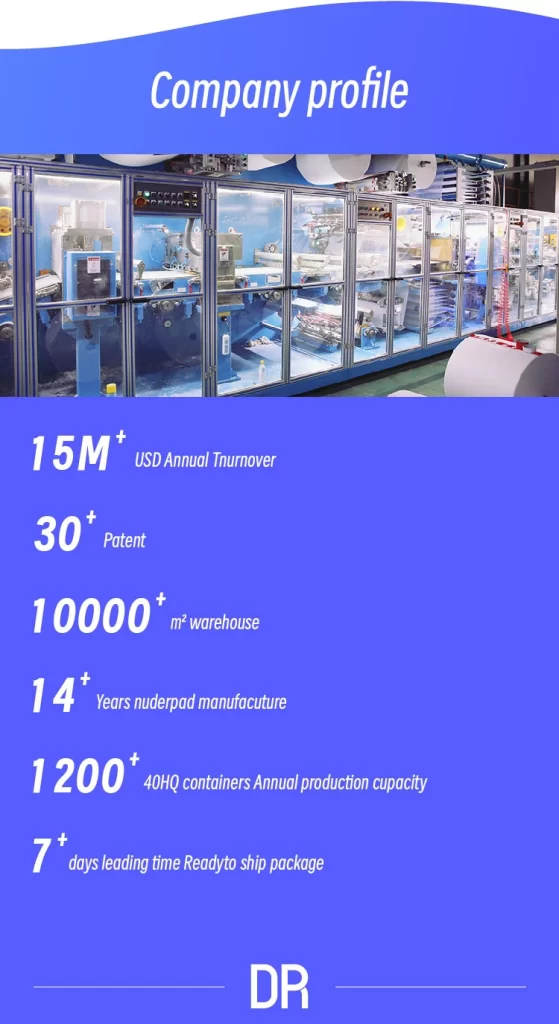
Manufacturers such as drdailycare.com focus on fiber consistency, moisture balance, and dispersibility testing to ensure wipes meet hygiene expectations while supporting responsible disposal practices.
Understanding these differences helps consumers make more informed choices when selecting hygiene products.