
Medical underpads play a crucial role in maintaining hygiene, comfort, and dignity for patients in various healthcare settings. These disposable absorbent pads are designed to protect bedding, mattresses, and furniture from moisture, leaks, and spills, while also providing a soft and comfortable surface for patients to rest on. In this article, we will explore the significance of medical underpads in healthcare and their benefits for both patients and caregivers.
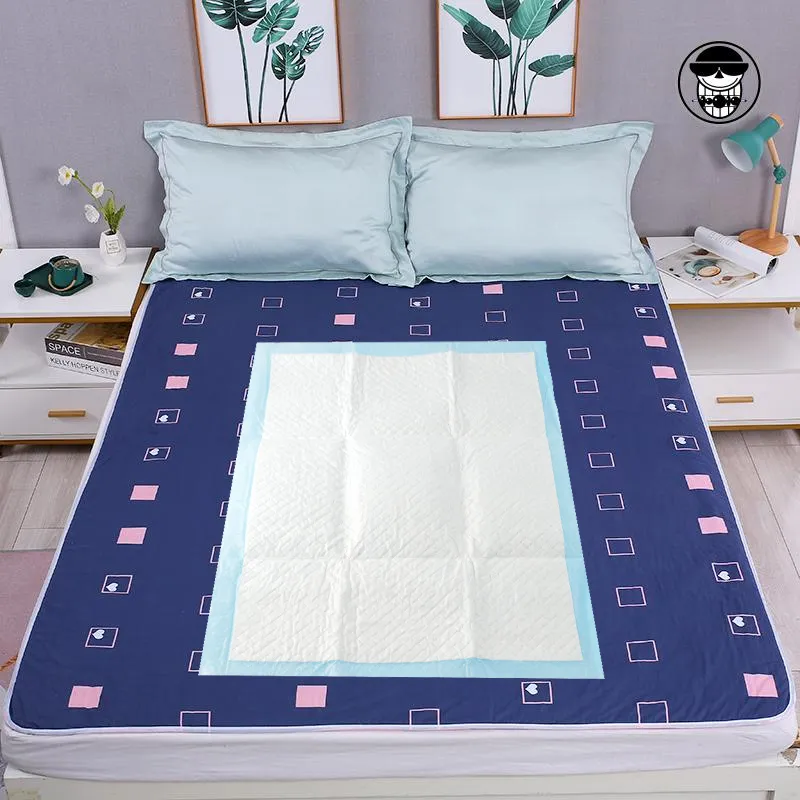
First and foremost, medical underpads are essential for managing incontinence, a common issue among patients in hospitals, nursing homes, and home care settings. Incontinence can affect individuals of all ages and may result from various medical conditions, including urinary or fecal incontinence, mobility issues, neurological disorders, and age-related factors. Medical underpads offer a practical solution for containing and absorbing bodily fluids, thereby preventing soiling of bedding and reducing the risk of skin irritation, infections, and pressure ulcers.
Moreover, medical underpads provide an added layer of protection during medical procedures and postoperative care. In surgical settings, these pads are often placed beneath patients to absorb blood and other bodily fluids, ensuring a clean and sterile environment for healthcare professionals. Following surgery, patients may experience temporary incontinence or drainage from surgical wounds, making medical underpads indispensable for maintaining cleanliness and promoting healing.
In addition to their functional benefits, medical underpads contribute to patient comfort and dignity. The soft, non-woven topsheet and absorbent core of these pads offer a gentle and cushioned surface for patients to lie or sit on, enhancing their overall comfort during extended periods of immobility. By keeping patients dry and comfortable, medical underpads help preserve their dignity and self-esteem, particularly for those who require assistance with personal care tasks.
For caregivers and healthcare professionals, medical underpads simplify the process of managing incontinence and maintaining hygiene standards. The disposable nature of these pads eliminates the need for laundering soiled linens, reducing the workload for hospital staff and ensuring efficient use of resources. Additionally, medical underpads come in various sizes, absorbency levels, and configurations to meet the diverse needs of patients and accommodate different care settings.
In conclusion, medical underpads play a vital role in healthcare by providing effective protection against leaks, spills, and soiling, managing incontinence, promoting patient comfort, and simplifying caregiving tasks. These disposable absorbent pads serve as an indispensable tool for maintaining hygiene standards, preventing skin complications, and preserving the dignity and well-being of patients. By recognizing the importance of medical underpads and integrating them into patient care protocols, healthcare facilities can enhance the quality of care and improve the overall experience for patients and caregivers alike.