
Introduction
Managing incontinence can be challenging, particularly for the elderly. Waterproof underpads are a practical and effective solution to protect bedding and furniture while ensuring comfort and hygiene. This article will guide you through the features to look for in waterproof underpads and provide tips for selecting the best ones for elderly incontinence.
Key Features of Waterproof Underpads
- Absorbency:
- High Absorption Capacity: Look for underpads that can absorb a significant amount of liquid. This ensures that the pad can handle accidents without leakage, keeping the surface dry and comfortable.
- Multi-Layered Construction: Underpads with multiple layers are more effective at absorbing and distributing moisture, reducing the risk of skin irritation.
- Waterproof Backing:
- Effective Barrier: The waterproof backing prevents liquid from seeping through to the bedding or furniture, providing reliable protection.
- Non-Slip Design: A non-slip backing helps keep the underpad in place, reducing the need for frequent adjustments.
- Comfort and Softness:
- Soft Top Layer: A soft, quilted top layer ensures comfort for the user, reducing the risk of skin irritation and discomfort.
- Breathable Materials: Breathable materials help maintain a comfortable temperature and prevent overheating, which is especially important for long-term use.
- Size and Coverage:
- Adequate Coverage: Choose an underpad size that provides adequate coverage for the intended area. Larger pads offer more protection, making them suitable for beds and chairs.
- Variety of Sizes: Having multiple size options allows you to select the best fit for different needs, from bed protection to wheelchair use.
- Durability and Reusability:
- Washable and Reusable: Reusable underpads are cost-effective and environmentally friendly. Ensure they can withstand multiple washes without losing their absorbency or waterproof qualities.
- Disposable Options: For convenience, disposable underpads are a good choice, especially for travel or situations where frequent changes are necessary.
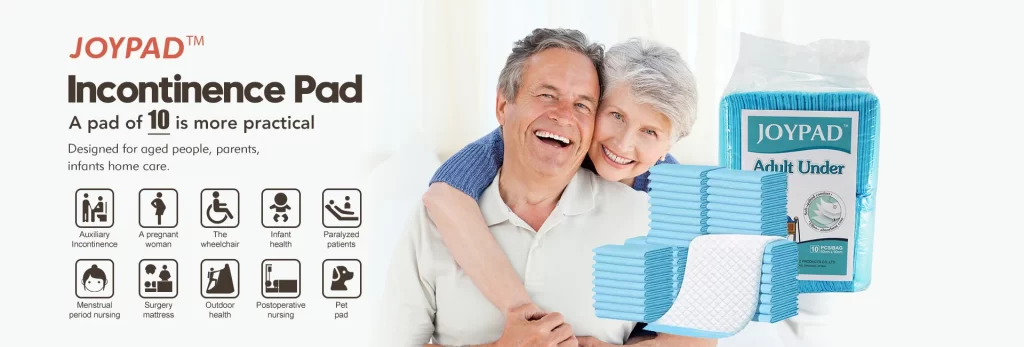
Top Considerations for Selecting the Best Underpads
- User’s Comfort and Needs:
- Skin Sensitivity: Consider underpads made from hypoallergenic materials to minimize the risk of allergic reactions or skin irritation.
- Mobility: For users with limited mobility, ensure the underpads are easy to place and remove without causing discomfort.
- Environment and Usage:
- Bed Protection: For nighttime use, choose underpads that cover a larger area and offer high absorbency to ensure the bed remains dry throughout the night.
- Furniture Protection: When using underpads on chairs or sofas, opt for pads with a non-slip backing to keep them securely in place.
- Cost and Availability:
- Budget: While reusable underpads may have a higher initial cost, they are more economical in the long run. Balance your budget with the need for frequent changes.
- Ease of Purchase: Choose underpads that are readily available from reliable suppliers. This ensures you can easily reorder when needed.
Recommended Waterproof Underpads for Elderly Incontinence
- Medline Heavy Absorbency Disposable Underpads:
- Features: High absorbency, soft top layer, and waterproof backing.
- Benefits: Ideal for both bed and furniture protection, with a non-slip design to keep the pad in place.
- Priva Ultra Plus Reusable Underpads:
- Features: Multi-layered construction, washable and reusable, and large size options.
- Benefits: Cost-effective and environmentally friendly, offering excellent protection and comfort.
- Sensi-Care Disposable Underpads:
- Features: Odor control, high absorbency, and soft, quilted top layer.
- Benefits: Provides superior protection with added odor control, suitable for sensitive skin.
- Gorilla Grip Slip-Resistant Leak Proof Mattress Pad:
- Features: Slip-resistant backing, high absorbency, and machine washable.
- Benefits: Durable and reusable, with a non-slip design that stays in place on beds and furniture.
Conclusion
Selecting the best waterproof underpads for elderly incontinence involves considering factors such as absorbency, comfort, size, and durability. By focusing on these key features and understanding the specific needs of the user, you can choose the most effective underpads to provide protection, comfort, and peace of mind. Whether opting for disposable or reusable options, the right underpads can make a significant difference in managing incontinence and maintaining a clean, dry, and comfortable environment for the elderly.